Representative Projects
Systems for detecting, tolerating, and recovering from complex failures.
OrderLab builds practical tools for reliable AI training, dependable distributed systems, production debugging, and operating-system support. This page highlights a representative slice of our recent and foundational work.
Most of our lab's code repositories are hosted on GitHub.
AI training reliability
Distributed systems
Fault injection
Runtime checking
OS support
Featured Projects
Recent systems and tools that represent the lab's current research directions.

More Representative Systems
Selected projects across failure exposure, runtime checking, observability, recovery, and OS resource management.
SOSP 2024
Anduril
Feedback-driven fault injection that quickly reproduces a target fault-induced production failure in distributed systems.
NSDI 2024
Legolas
State-guided fault injection that infers abstract states from code to expose partial-failure bugs in large distributed systems.
SOSP 2023
pBox
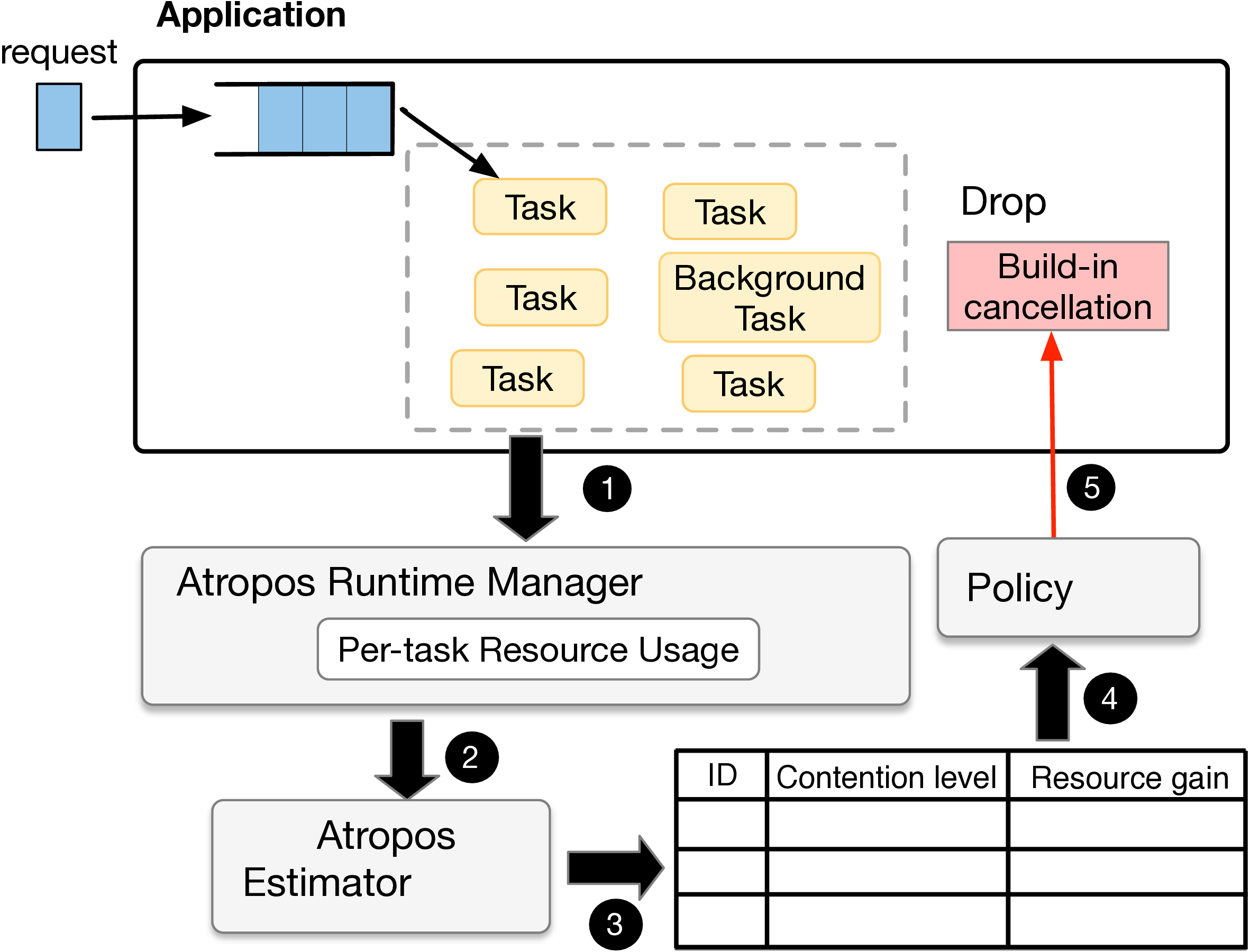
Application-level mechanisms for pushing performance isolation boundaries into applications.
OSDI 2022
OathKeeper
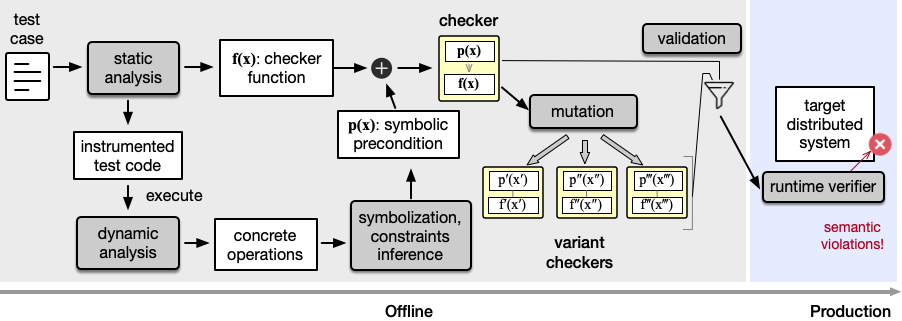
Runtime checking for silent semantic violations in large distributed systems, motivated by failures that escape generic detectors.
OSDI 2022
Orbit
Operating-system support for safe and efficient auxiliary execution, enabling speculative work without compromising the main process.
EuroSys 2021
Arthas
System support for understanding and dealing with hard faults in persistent memory systems.
OSDI 2020
Violet
Automated reasoning for detecting specious configuration in large systems with symbolic execution.
NSDI 2020
OmegaGen
Techniques for understanding, detecting, and localizing partial failures in large system software.
ASPLOS 2019
LeaseOS
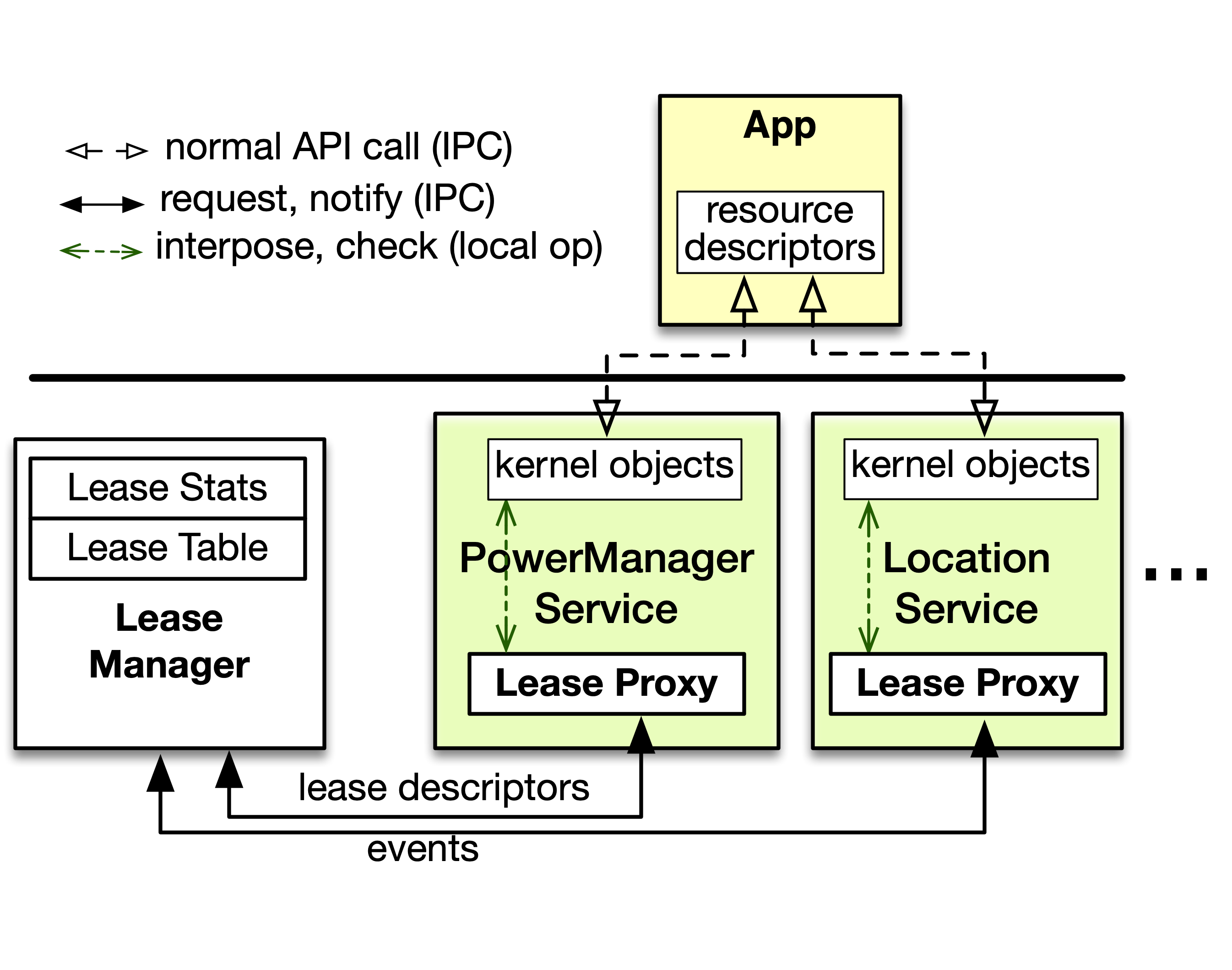
Lease-based mobile OS resource management that mitigates app energy bugs while preserving useful work.
OSDI 2018
Panorama
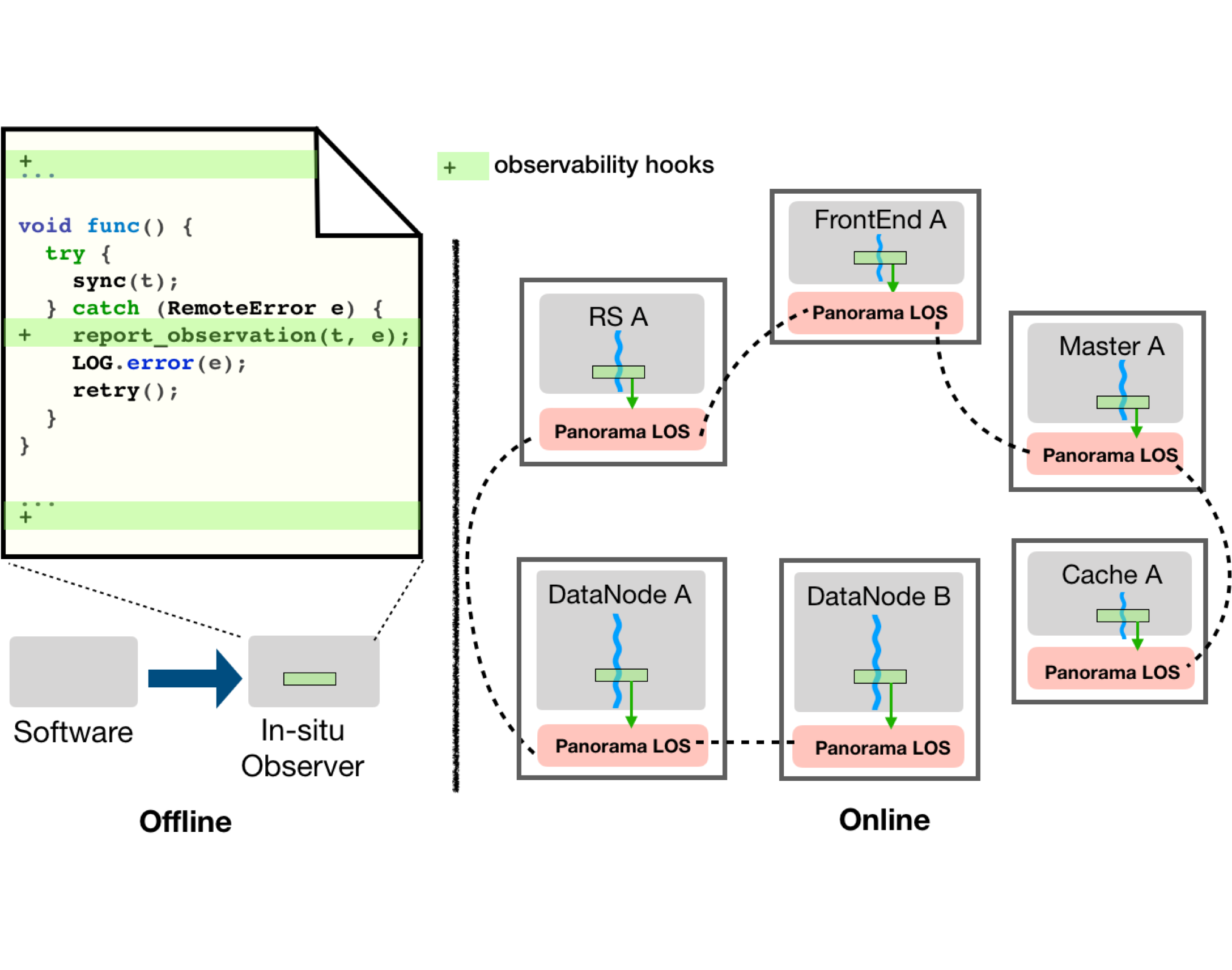
Program-analysis and instrumentation support for in situ observability, helping requesters detect gray failures in cloud systems.
MobiSys 2016
DefDroid
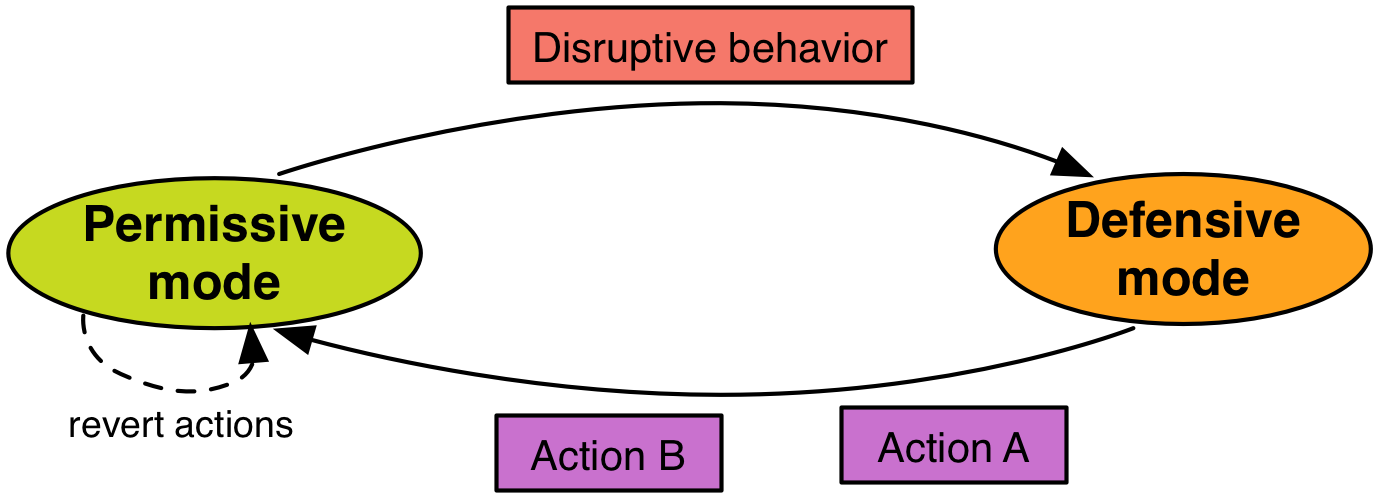
A defensive mobile OS approach that reacts to disruptive app behavior at runtime without compromising app usability.